
Trip planning
Where to learn to dive in the Philippines: Dauin, Boracay, Panglao, Moalboal and more
An honest comparison of the places people shortlist for a first scuba course in the Philippines, and what each one is like to learn in.
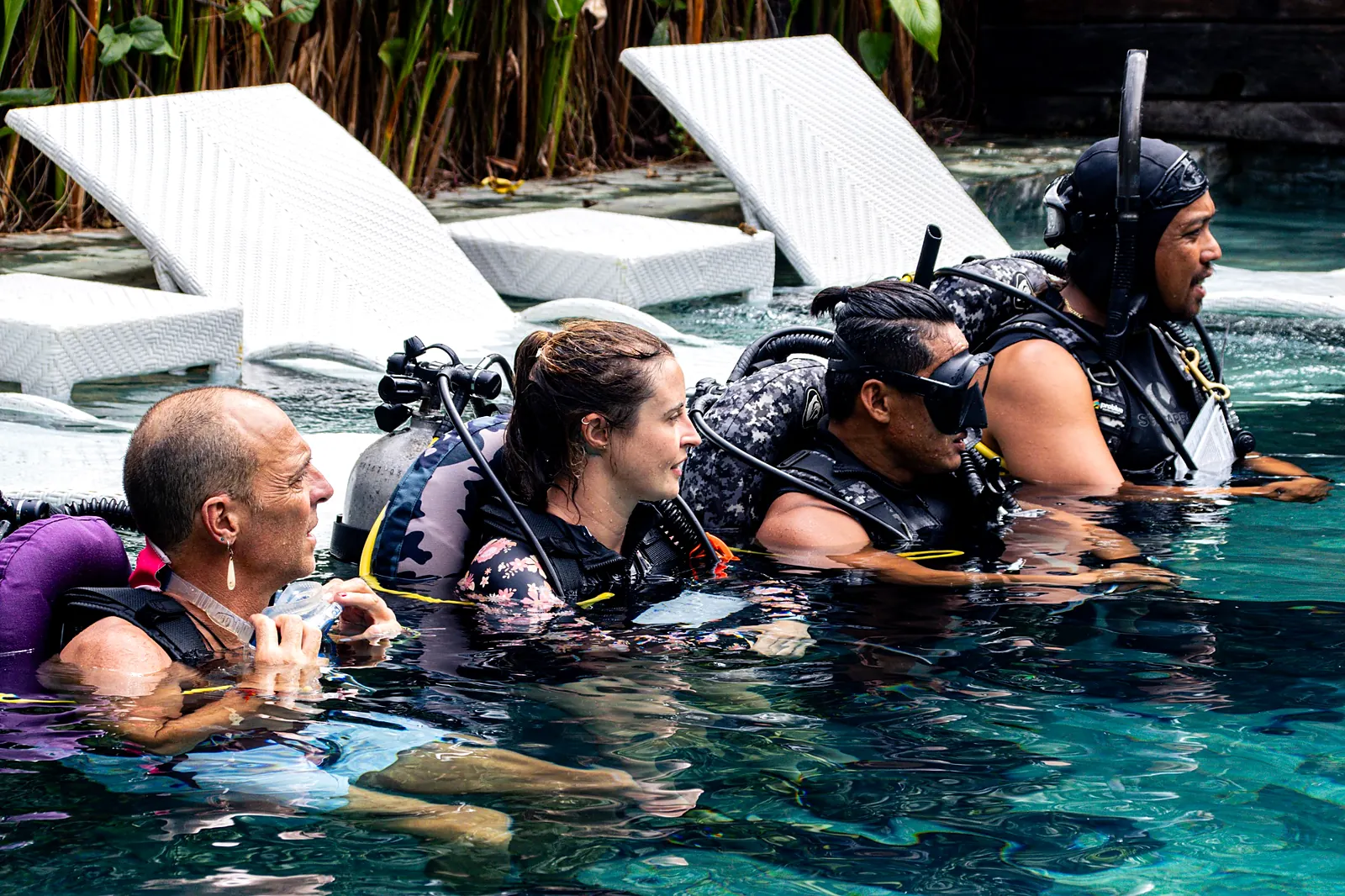
The Philippines is one of the best countries in the world to learn to dive: warm water all year, reefs close to shore, PADI and SSI centres in every dive town, and prices well below Europe, Australia or the Caribbean. The harder question is where. Here is how the places people usually shortlist compare, written by a dive centre in one of them, so read our bias accordingly.
What matters for a first course
Three things make more difference to how well you learn than anything else. Calm, shallow water for the first dives, so you can concentrate on the skills rather than the conditions. A pool or confined water for the first sessions. And an instructor with time: small classes and no boat schedule to chase. After that, the question is what you want around the course: a beach town, big animals, nightlife, or quiet.
Boracay
The Philippines' best-known beach island, with dive schools along White Beach and daily boat dives to sites around the island. Courses are boat-based. The calm season is November to May on the White Beach side; from June to October the south-west monsoon can make that side rough and operators move to the other coast. Choose Boracay for a beach holiday with a course attached, with everything from restaurants to nightlife on the doorstep. Expect busier classes in high season.
Panglao and Alona Beach, Bohol
A well-organised dive hub with many centres, boat diving over walls and coral slopes, and Balicasag Island's turtles and schooling jacks a short boat ride away. Good diving and easy logistics. You learn from a boat on a timetable, and Alona Beach itself is crowded. Panglao has its own airport, which makes arrival easy.
Moalboal, Cebu
Famous for the sardine run metres from the beach and for Pescador Island. The house reefs are reached from the shore, which is a plus; the wall drops away steeply very close to the beach, which is spectacular once you are certified and gives a first-timer less room to make mistakes. A backpacker town with a lively evening scene and canyoneering nearby for non-diving days.
Puerto Galera, Mindoro
The closest dive town to Manila, a few hours by road and ferry, with dozens of dive centres along Sabang and Small La Laguna. Mostly boat diving, with current at many sites and strong variety once you are certified. Lively, long established, and a good choice if you are flying in and out of Manila.
Malapascua, Cebu
A small island known for thresher sharks at dawn. Remote, boat-based, and most visitors arrive already certified; the shark dives need an Advanced certification. Beautiful, but not the natural first choice for a first course.
Dauin, Negros Oriental
A quiet coastal town 45 minutes from Dumaguete Airport, known for muck diving and for Apo Island's reefs a day trip away. The shoreline is volcanic sand that slopes gently from the beach, so courses here are taught from the shore: no boat, a house reef that starts in a few metres of water, and a pool at the better-equipped centres. Classes tend to be small. Evenings are quiet, with a few restaurants and resorts along the coast rather than a town scene; Dumaguete has the city life if you want it. At Bongo Bongo Divers the Open Water course is PHP 22,500 including eLearning, equipment and certification, in classes of two or three.
So where?
If the course itself is the priority, look for calm shore entries, a pool, and an instructor who is not watching a boat schedule; Dauin and, to a degree, Moalboal offer that. If you want a lively beach town around the course, Boracay, Panglao or Puerto Galera will suit you better. If big animals from day one are the point, go to Malapascua after you are certified. None of these is a bad choice; the diving in the Philippines is good almost everywhere. Pick for the week you want to have, and ask any centre you consider how many students they put with one instructor and where the first dives are made.
Thinking about Dauin? Read about our PADI Open Water course, or ask us about your dates.