
Plan your trip
When to dive Dauin
Dauin is a year-round dive destination, and every season brings something different. Here's what to expect month by month, from water temperature and weather to sea conditions and what you might see, so you can choose the best time for your trip.
Diving in Dauin all year round
Dauin is good to dive all year, and our shore dives run every day. For frogfish, come between February and May, when there are lots of tiny ones growing up. For octopus and cuttlefish, come between September and November.
The water is coolest from late December to March, at around 25–26°C, when most divers wear a 3 mm or 5 mm wetsuit. It warms up in April, and from May to early December it's usually around 29°C, when many of our divers don't wear a wetsuit at all.
February to May are usually the driest months. From June to September most of the rain tends to fall at night, and the days are normally fine for diving. We're in the tropics, so the weather changes from year to year, and El Niño and La Niña years can be wetter or drier than usual.
The wind changes with the seasons, but we always have somewhere flat to dive. During the northeast monsoon (Amihan, usually from around November to March), our house reef is the sheltered side. During the southwest monsoon (Habagat, usually from around June to September), the El Dorado side is sheltered.
Month by month
Typical water temperatures on our dives, what the weather is usually like, and notes from our team.
What you might see, season by season
Frogfish, seahorses, nudibranchs and octopus live on Dauin’s sand all year, but some seasons are special. Frogfish season runs from February to around June to August, and from February to May there are lots of tiny frogfish growing bigger by the week. Octopus and cuttlefish are busiest from September to November, and octopus are often active again around May and June.
Apo Island days
Apo Island trips run all year and are rarely cancelled. When they are, it’s usually because a typhoon is sending big swells our way and the Coast Guard has issued a warning. Plan a few days in Dauin around your Apo day, so there’s room to move it if the weather changes.
Storms, busy times and quiet times
Like the rest of the Philippines, Negros Oriental can be affected by tropical storms, more often in the second half of the year. Typhoon Odette crossed the province in December 2021, for example. If the Coast Guard issues a warning, Apo Island trips wait for a calmer day, and we’ll do our best to rebook you on the next available date.
Christmas and New Year and Holy Week (Easter) are among the busiest times in Dauin, so book your room early for those dates.
Biodiversity
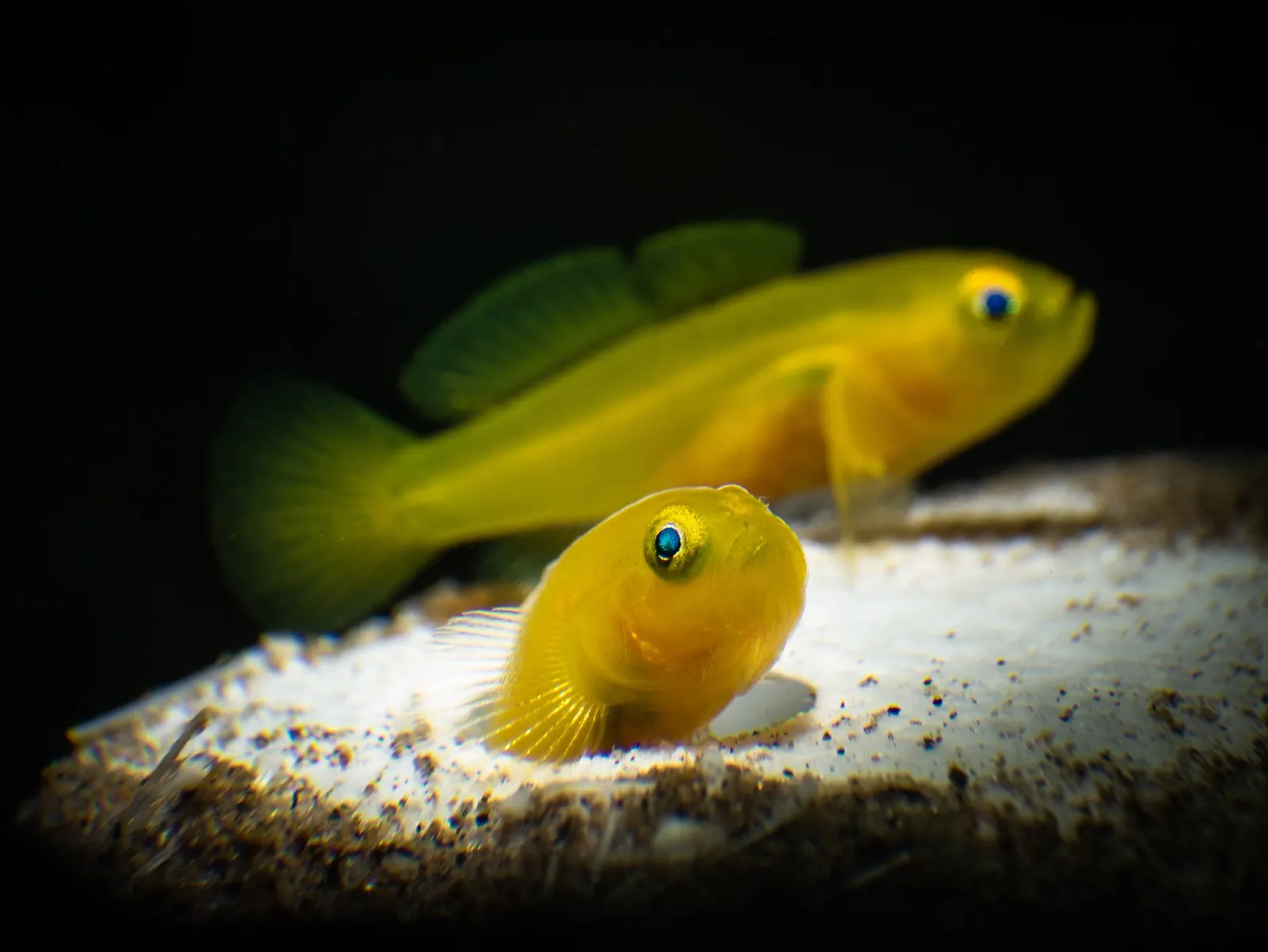
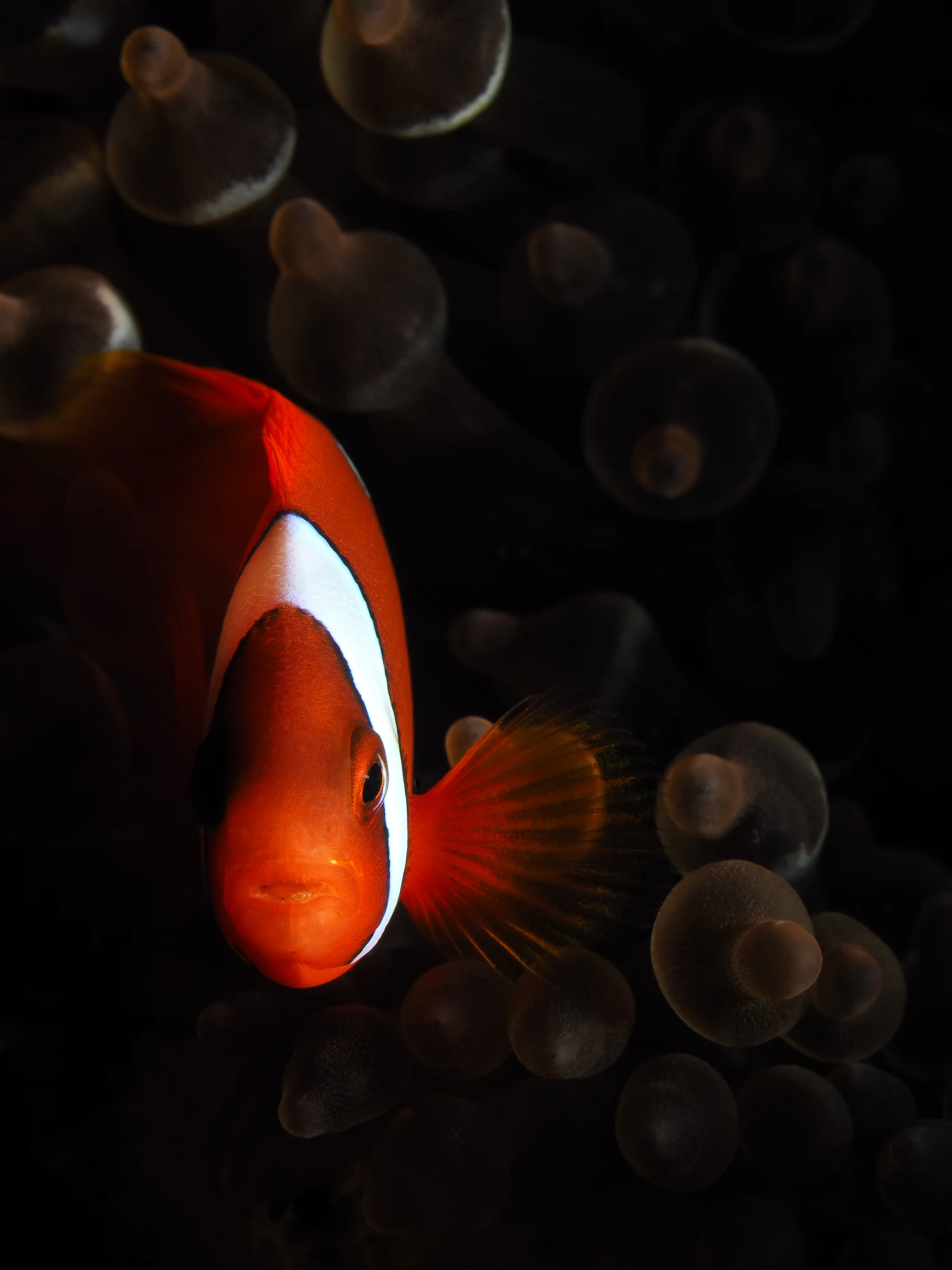
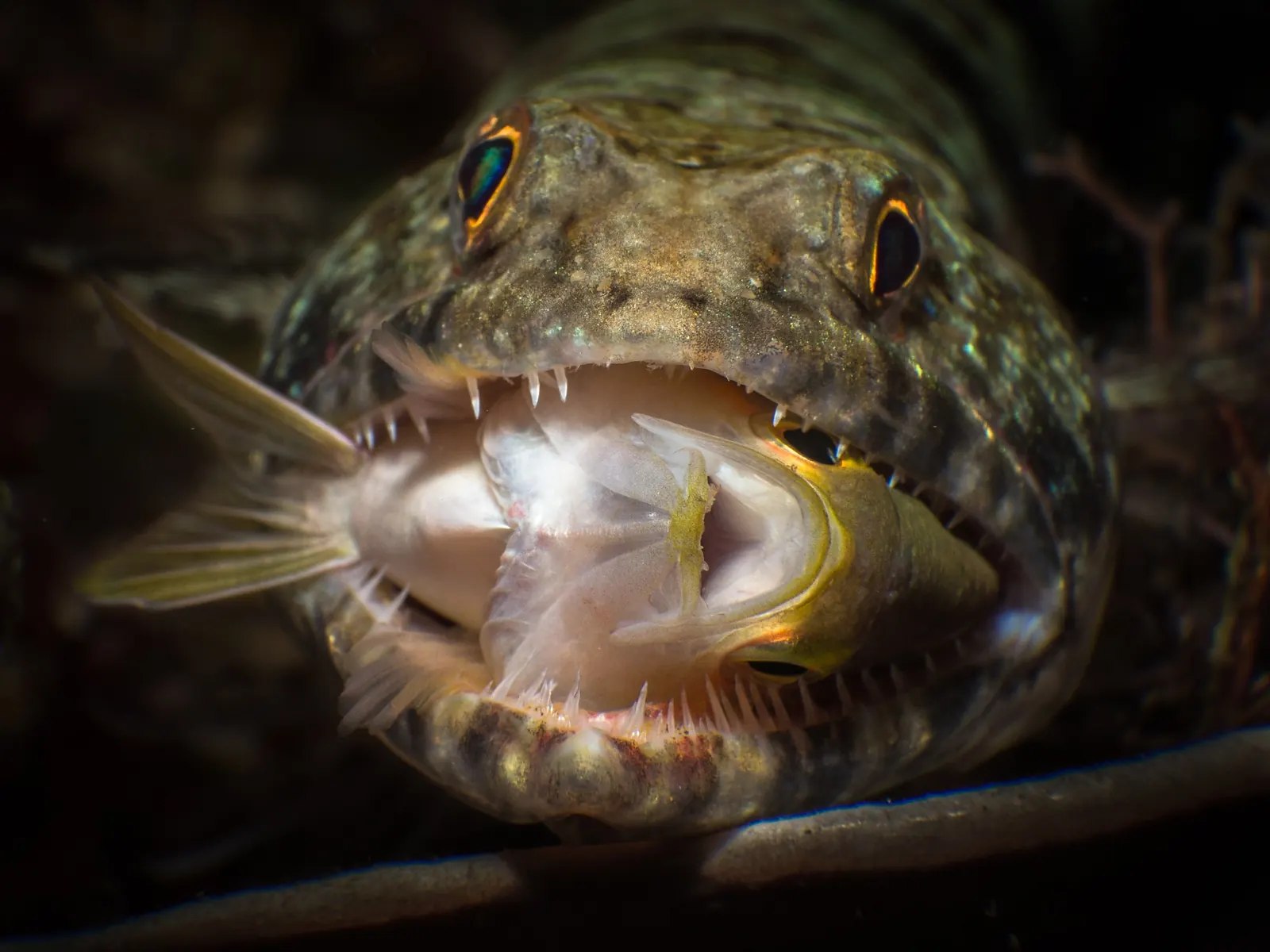
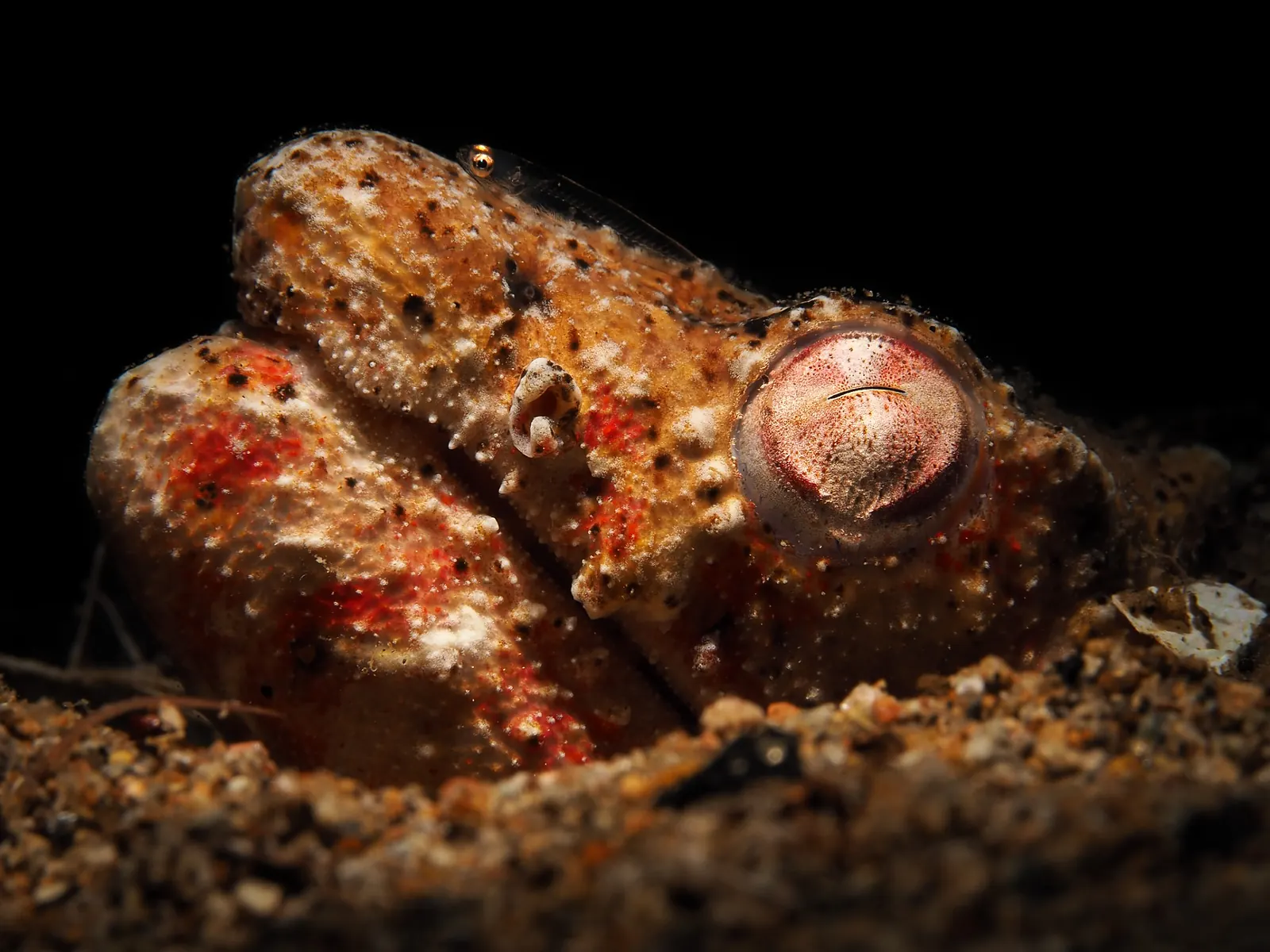
More than 800 fish species on our doorstep
Our science officer, Bart Hazes of Biodives, led a survey of the fish of Dauin and Apo Island with our dive guides, funded by the PADI AWARE Foundation. It found two species new to science and added about two dozen species to FishBase’s list of Philippine fishes.
825+
coastal fish species recorded in Dauin by November 2023
560+
of them on our own house reef, Dauin North
2
fish species new to science found during the survey
How Dauin compares
For comparison, FishBase’s regional checklists list 484 fish species for Tubbataha Reef, 498 for the Verde Island Passage and 674 for the Calamian Islands. You can browse every species found so far, with photos, in the Biodives survey.
Dauin’s fish have been surprising scientists for a long time. After the 1931 Herre Philippine Expedition, fish scientist Albert Herre wrote that although Dumaguete lacks the great coral reefs found elsewhere, “no other place in the Islands has yielded so many astonishing novelties and rare species.”
Protected by the community
Dauin’s reefs are rich partly because they are protected. The municipality set up a chain of marine protected areas along its shore, and the sanctuary fees that divers and snorkellers pay are shared between local fishers’ associations (40%), the municipality (40%) and the barangays that host the sanctuaries (20%). The fees help pay for the Bantay Dagat, the sea wardens who patrol them.
Protection has paid off on land too: between 2000 and 2009, the municipality’s yearly income from diving fees and resort taxes grew from about PHP 800,000 to PHP 22–35 million. Our dive prices include the standard sanctuary fees.
Sources: Biodives fish survey (figures as of November 2023); FishBase regional checklists; and the case study “Municipality of Dauin, Negros Oriental, Philippines: A Global Bright Spot for Marine Conservation”.
Tell us what you have in mind
Already know your dates? Build your trip and we’ll check the details with you. Still deciding? Send us a message and we’ll help you work out where to start.