
Diving in the Philippines
Why dive the Philippines?
Thousands of islands in the heart of the Coral Triangle, diving all year round and some of the richest marine life on the planet. Here is why divers keep coming back, and why we think Dauin, with its two underwater worlds, is the best place to experience it.
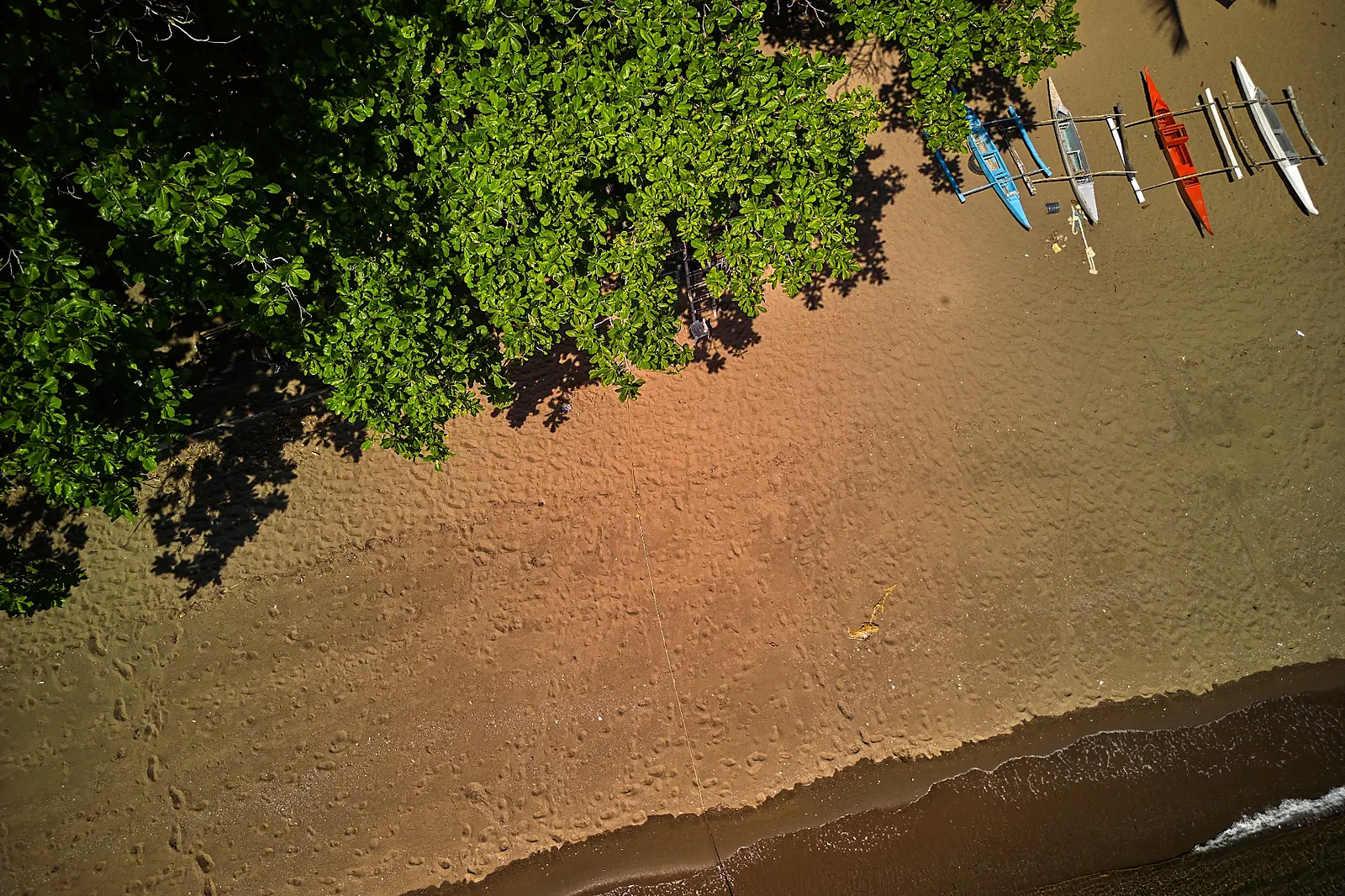
7,641 islands
An archipelago made for diving
The Philippines is made up of 7,641 islands, according to the national mapping agency NAMRIA, with more than 36,000 kilometres of coastline. That adds up to an almost endless choice of reefs, walls, wrecks and sandy slopes.
You can dive somewhere in the Philippines all year round, though conditions vary by region and season. Here in Dauin we dive all year round: see when to dive Dauin for water temperatures, rain and marine life month by month.
Award-winning diving
The World Travel Awards named the Philippines the World’s Leading Dive Destination and Asia’s Leading Dive Destination every year from 2019 to 2025. In April 2026, the Asia Dive Expo named it Global Dive Destination of the Year, with Dauin among the dive areas the Philippine delegation showcased.
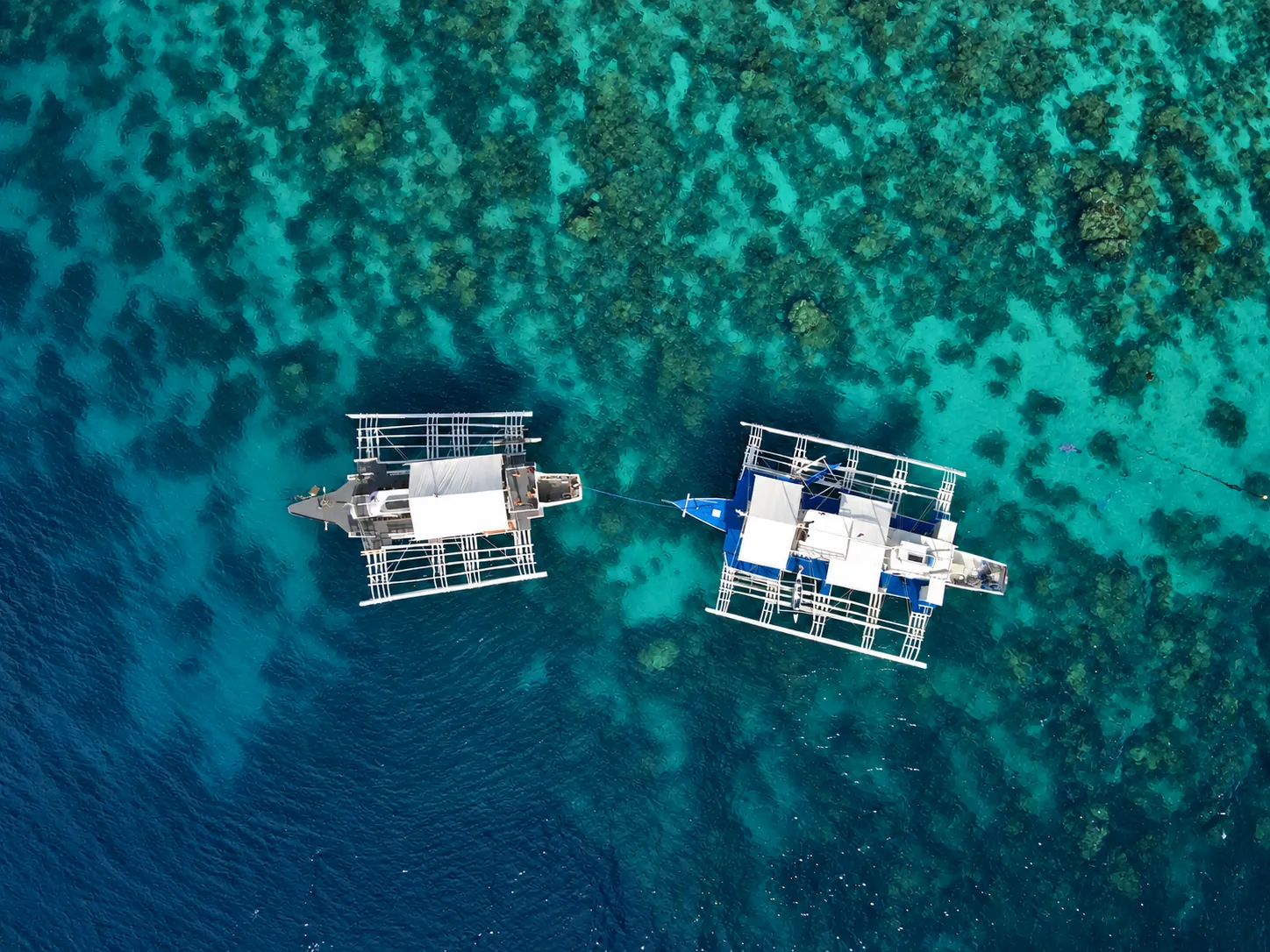
Marine biodiversity
At the heart of the Coral Triangle
The Coral Triangle has more coral reef species than anywhere else on Earth. The Philippines is one of its six countries, alongside Indonesia, Malaysia, Papua New Guinea, Solomon Islands and Timor-Leste.
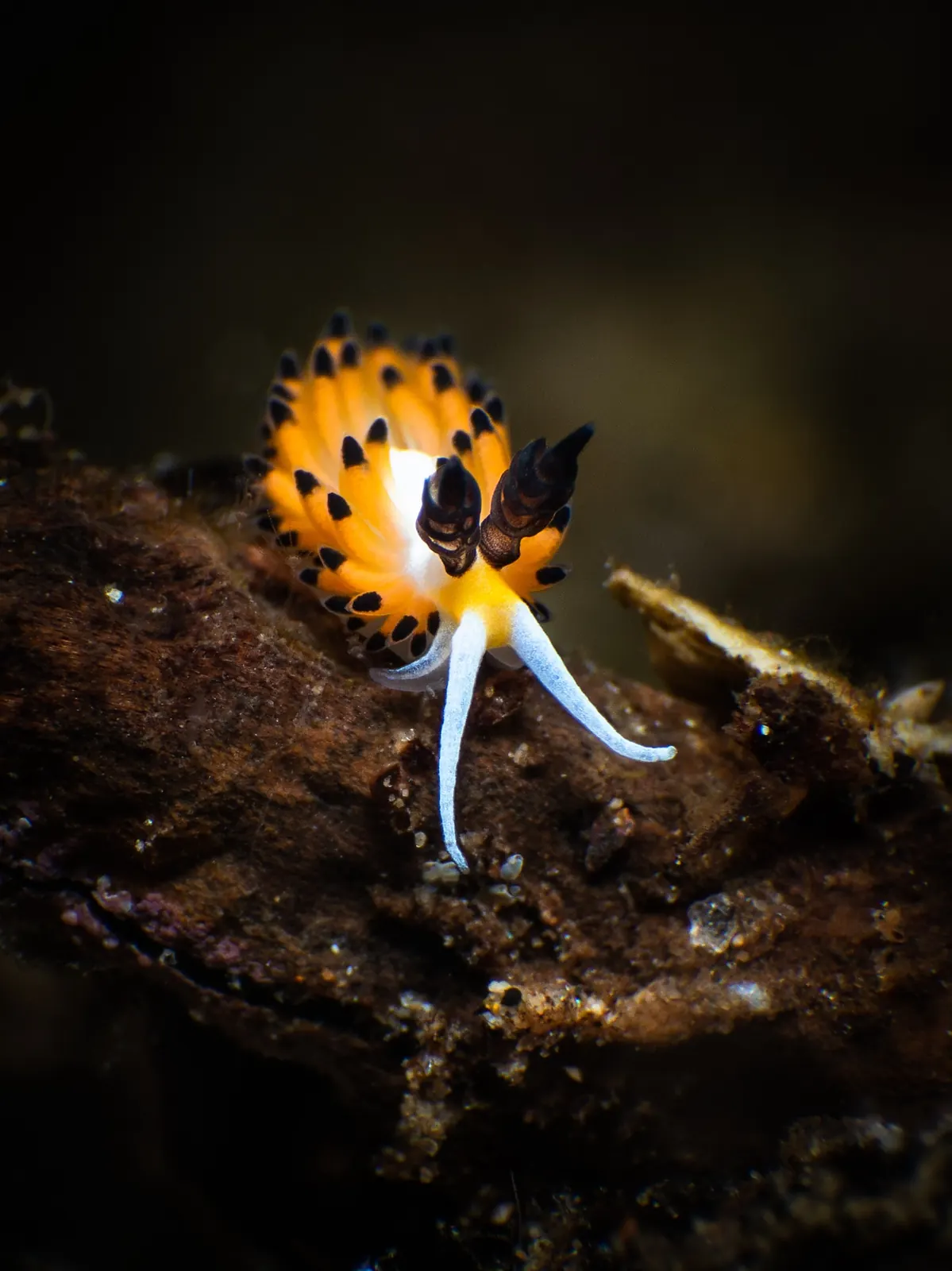
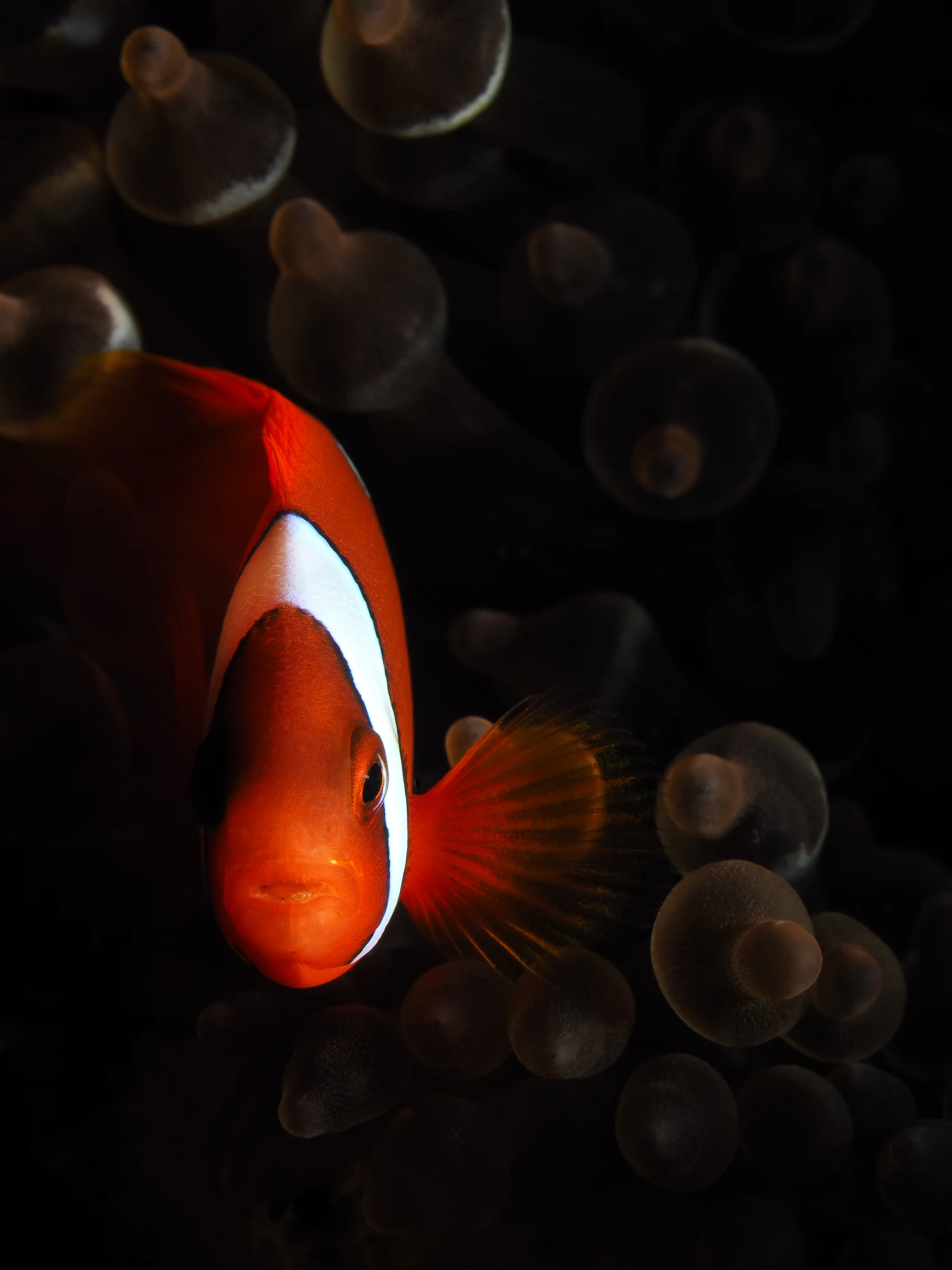
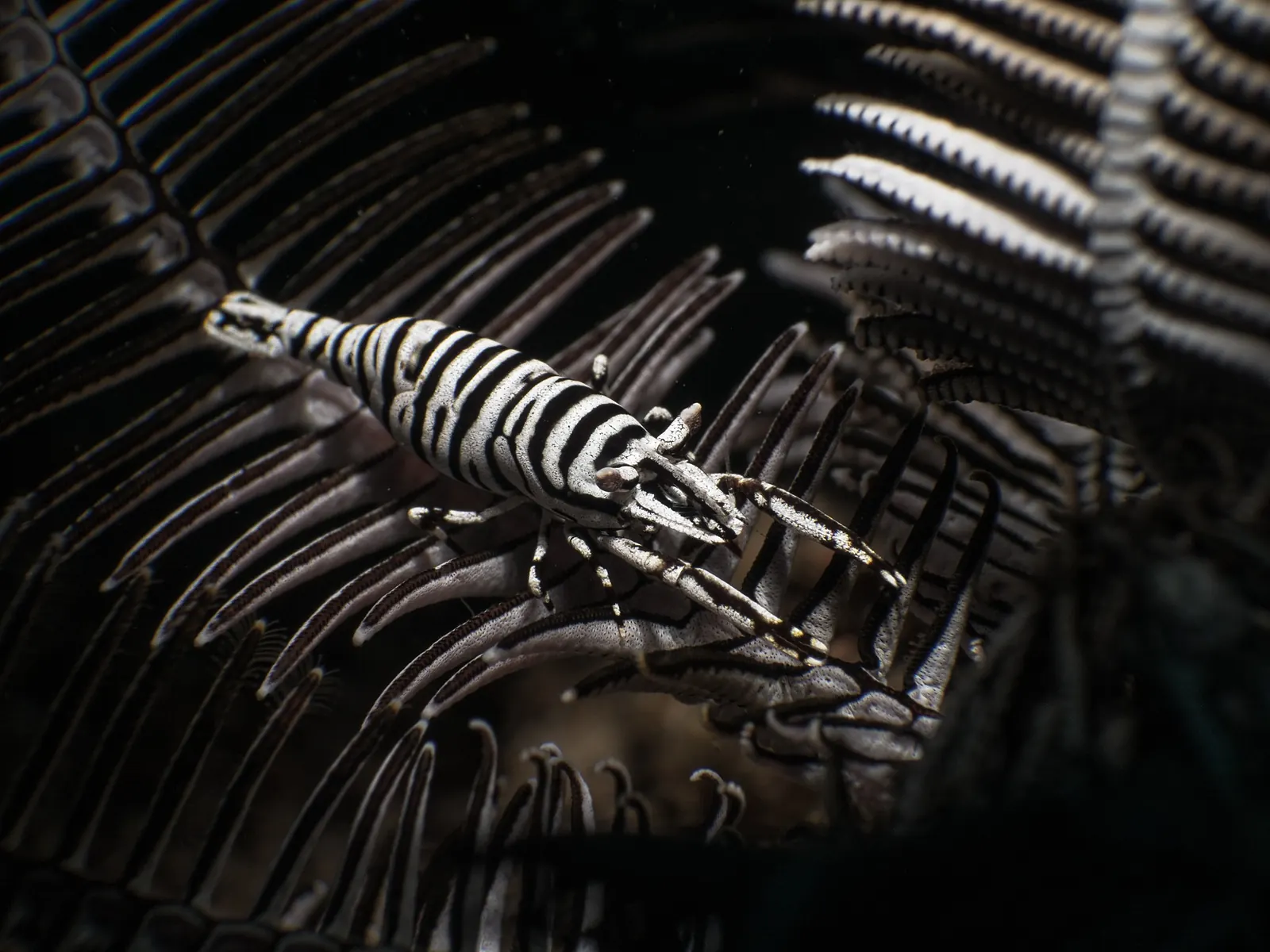
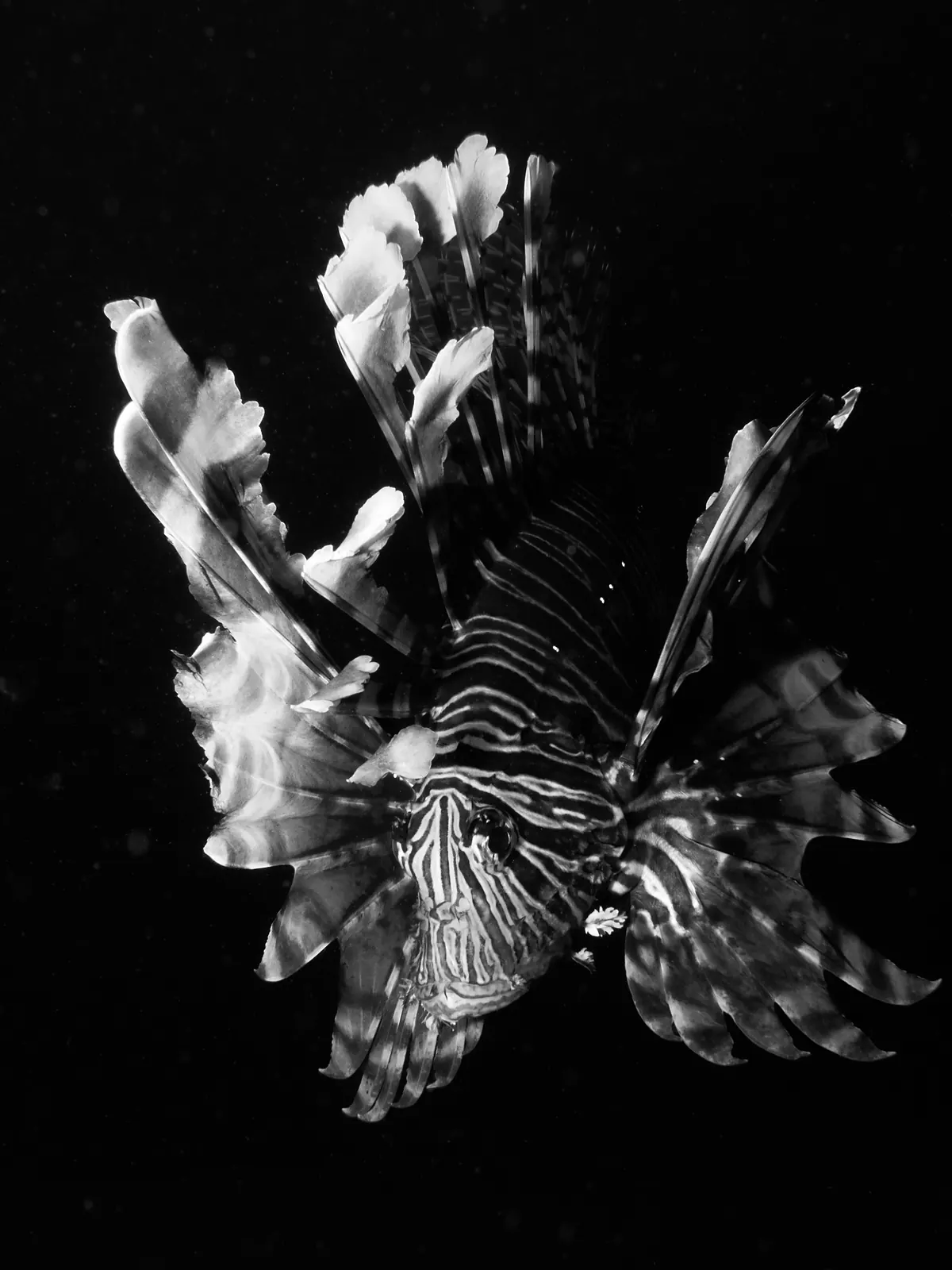
- 76% of the world’s coral species live in the Coral Triangle, along with 37% of the world’s reef fish species.
- More than 500 species of hard coral have been recorded in Philippine waters.
- “The centre of the centre”. That is what scientists Kent Carpenter and Victor Springer called the Philippines in the title of their 2005 paper on marine shore-fish biodiversity. They mapped the ranges of nearly 3,000 marine species and found the peak in the central Philippines, with more species per unit area than anywhere in Indonesia.
- Known only from the Philippines. A 2025 checklist of fishes first described from Philippine specimens lists 143 marine species that, so far, have been recorded only in Philippine waters.
In Dauin alone, a survey led by our science officer, Bart Hazes of Biodives, has recorded more than 825 coastal fish species, including two new to science. Read how Dauin protects its reefs.
Above the water
Birds found nowhere else
The forests have species of their own, too. Between 267 and 274 bird species live only in the Philippines, depending on which checklist you follow.
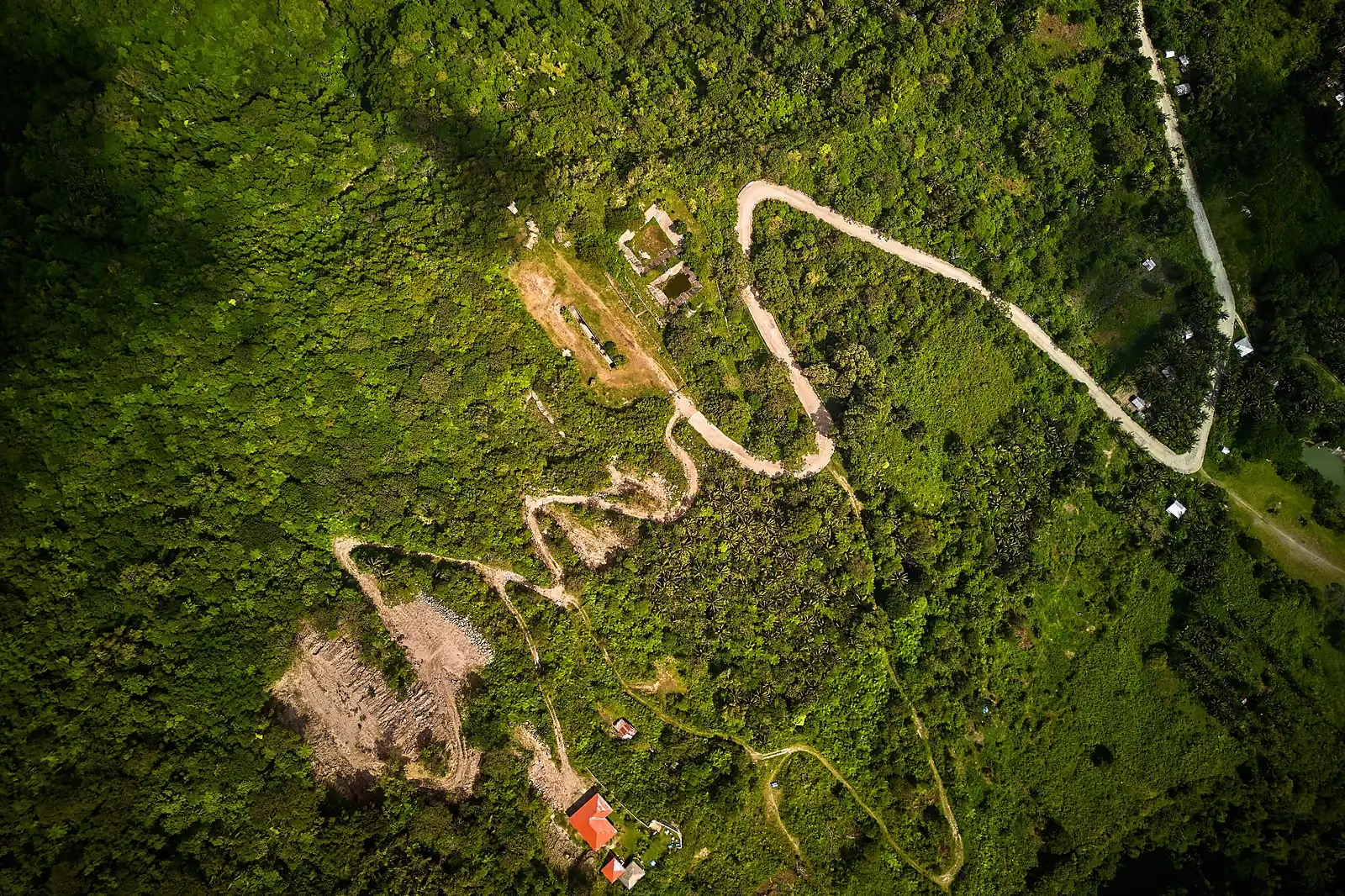
Negros has rarities of its own. The Negros bleeding-heart, a ground dove named for the red patch on its breast, lives only on Negros and Panay and is Critically Endangered. The Negros striped babbler is found only on Negros and is Endangered, yet it is still locally common in the forests of Cuernos de Negros, the mountains behind Dauin, crowned by Mount Talinis (about 1,860 m).
In the same mountains, Balinsasayao Twin Lakes Natural Park protects two crater lakes and the forest around them. It became an ASEAN Heritage Park in 2024, and birdwatching is one of the activities allowed there, though the rarest species are seldom seen.
Endemic on land and at sea
It is a theme that runs through the whole archipelago: animals found nowhere else, above the water and below it. At sea, that means fish so far recorded only in Philippine waters. In the hills, it means birds you cannot see anywhere else on Earth.
Planning a trip into the mountains? Tell us and we’ll help you fit it around your diving. Divers Alert Network (DAN) recommends the same minimum wait before heading up into the mountains as before flying, because the lower air pressure at altitude raises the risk of decompression sickness.
People and culture
The warmth isn’t only in the water
Easy to feel at home
English is an official language of the Philippines, alongside Filipino, so dive briefings, courses and everyday life are easy for most visitors. Filipinos are also known for their warmth. In the 2023 Expat Insider survey by InterNations, the Philippines ranked third of 53 destinations for the friendliness of its people, and 86% of expats rated locals as friendly, against 67% worldwide.
History on our doorstep
Dauin’s stone church, dedicated to St Nicholas of Tolentino, was begun under Fray Manuel Navarro between 1857 and 1864, and carries a marker from the National Historical Commission of the Philippines. Opposite it stands a Spanish-era watchtower, believed to be part of a network of lookouts built to warn coastal towns of raids from the sea. In nearby Dumaguete, Silliman University, founded in 1901, is a National Historical Landmark as the first American private school in the Philippines.
Why Dauin
One destination, two underwater worlds
Dauin puts two very different kinds of Philippine diving on your doorstep. On the mainland, black volcanic sand, artificial reefs and a string of marine sanctuaries are home to frogfish, octopus, seahorses and nudibranchs, many of them reached straight from the beach. A boat ride away, Apo Island’s protected reefs bring coral gardens, walls and turtles.
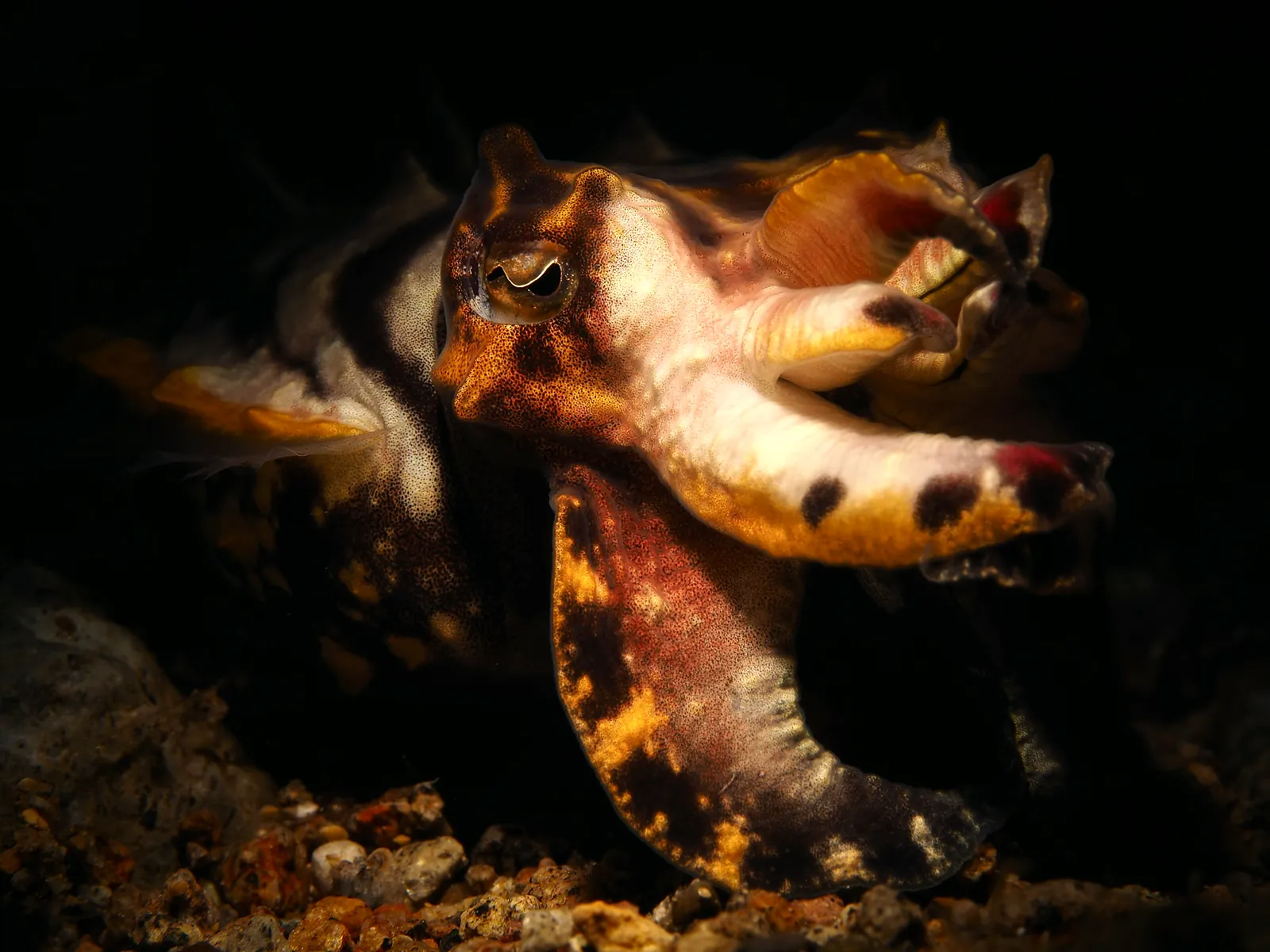
Dauin: macro and critter diving on black volcanic sand, straight from the beach.
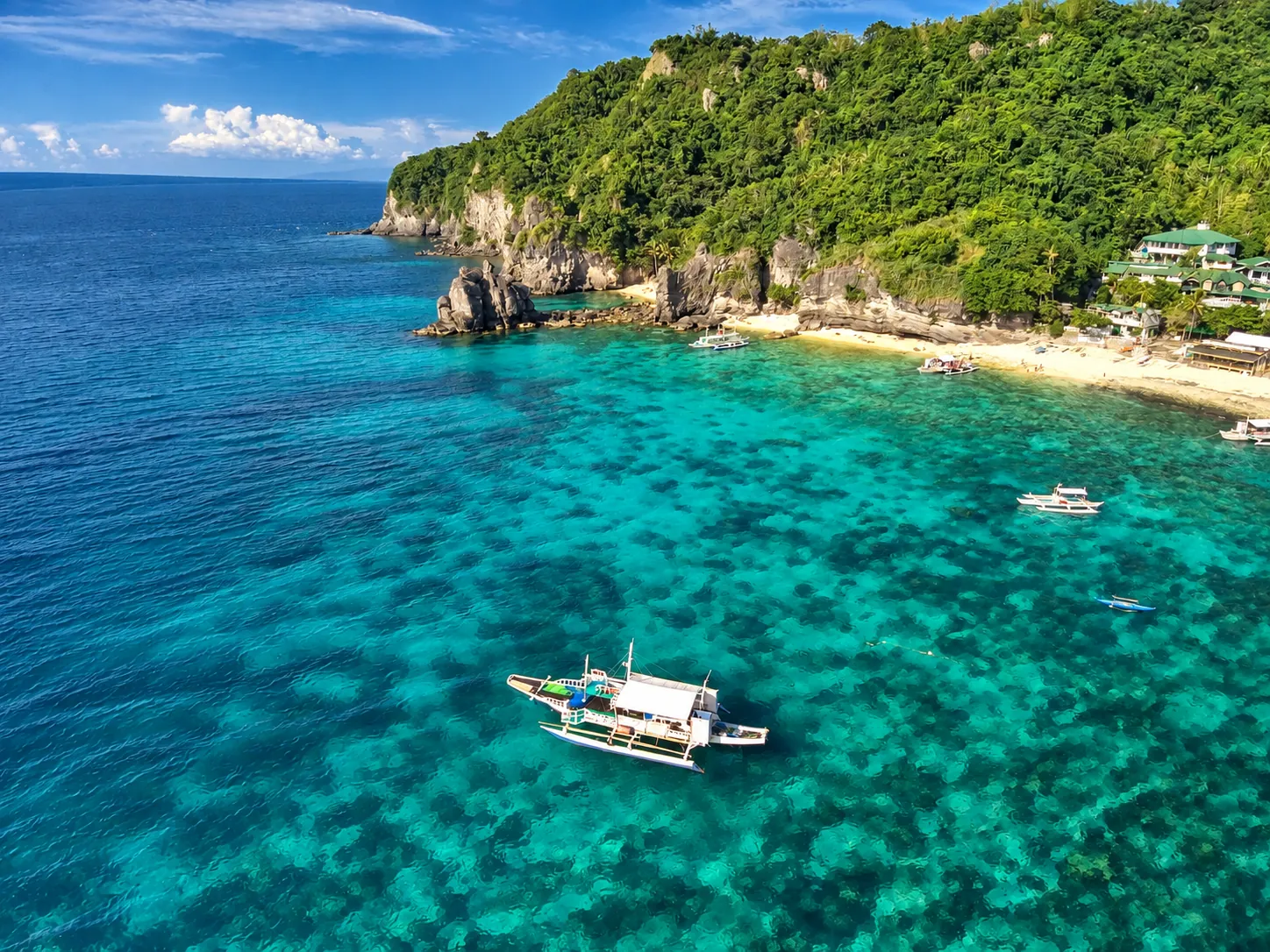
Apo Island on the horizon: coral reefs, walls and turtles, a boat ride away.
Add a PADI 5 Star Career Development Center with rooms, a restaurant and home-roasted coffee on site, and everything is in one place. Fly into Dumaguete and we can arrange your transfer: see getting to Dauin.
What to expect
Happy guests are guests who knew what to expect, so here is an honest picture of life in the Philippines and of staying with us.
Life in the tropics
The Philippines is beautiful, warm and friendly, and part of its charm is that it's still very much real life.
- Mosquitoes are part of tropical life. Bring repellent and use it, especially at dawn and dusk.
- Street dogs and cats roam freely in most towns. They're usually relaxed; just leave them be.
- Insects mostly find their way into rooms when there's food inside, so please don't bring food into your room or leave snacks, sweets or other food open. We clean every room daily and have a pest control service every month, but in the tropics we can't guarantee that the odd cockroach or ant won't find its way in now and then. Geckos are friendly and eat the insects.
- Karaoke is part of Filipino DNA. We're in the town centre, so now and then you'll hear someone singing their heart out.
- Roosters crow early, and cockfighting is a long tradition here. On Sundays you can watch it at the cockfighting arena in Dauin, if you're curious.
- Heat and humidity are part of the package. Drink plenty of water and take it easy on your first day.
- Island time: things sometimes move more slowly than you're used to. Take a deep breath and relax.
Staying with us
We're a mid-range dive resort, not a luxury one. What we offer instead is a huge amount of personal service and expertise. We love what we do, and we always go the extra mile to give you the best possible experience.
- Power: our resort runs 100% on solar power during the day. If the mains power cuts out, our generator starts automatically within about 30 seconds.
- Drinking water: purified water is free from our dispensers outside the rooms and in the common area. Bottled water is also for sale.
- Wi-Fi: we have fibre internet from two different providers, each on a 500 Mbps plan, so we're online nearly all the time. Very occasionally, both connections have gone down at once, and then we wait for them to come back like everyone else.
- Paying: there are several ATMs nearby, so getting cash is easy. We encourage paying by Wise, which helps us keep our prices lower. PayPal is also possible, with fees of about 5%.
Come with an open mind and you'll find what keeps people coming back: amazing diving, warm people and a real welcome.
Before you travel
As of September 2026, visitors from the UK, the US, Canada, Australia, New Zealand and most European countries can enter the Philippines without a visa for an initial 30 days. Your passport must be valid for at least six months beyond your stay, and you need a return or onward ticket. All arriving passengers must also register on the free eTravel system within 72 hours before arrival.
Rules can change, so please check the official Department of Foreign Affairs and eTravel websites before you book. For flights, ferries and transfers, see getting to Dauin.
Questions about diving in the Philippines
Is the Philippines good for diving?
Yes. The Philippines lies in the Coral Triangle, which has more coral reef species than anywhere else on Earth, and it has 7,641 islands and diving all year round. The World Travel Awards named it the World’s Leading Dive Destination every year from 2019 to 2025.
When is the best time to dive in the Philippines?
You can dive somewhere in the Philippines all year. Conditions vary by region and season, so the best time depends on where you go. We dive Dauin all year round; our When to Dive Dauin guide covers water temperature, rain and marine life month by month.
Do I need a visa to visit the Philippines?
Many visitors don’t. As of September 2026, citizens of the UK, the US, Canada, Australia, New Zealand and most European countries can stay for up to 30 days without a visa, with a passport valid for at least six months beyond their stay and a return or onward ticket. All arriving passengers must register on the free eTravel system within 72 hours before arrival. Rules change, so check the official DFA and eTravel websites before you book.
Where in the Philippines is good for macro diving?
Dauin in Negros Oriental is known for macro and critter diving on black volcanic sand, with frogfish, octopus, ghost pipefish and nudibranchs, and more than 825 coastal fish species recorded. Apo Island’s coral reefs are a boat ride away, so you can dive both from one base.
Sources: NAMRIA island count (2016) and NAMRIA/DENR coastline figure; Coral Triangle Initiative and WWF; Veron et al. (2009), Galaxea; DENR Biodiversity Management Bureau; Carpenter and Springer (2005), Environmental Biology of Fishes; Balisco and Liao (2025), ZooKeys; Wild Bird Club of the Philippines 2025 checklist and Avibase; Key Biodiversity Areas factsheet, Cuernos de Negros; Smithsonian Global Volcanism Program; ASEAN Centre for Biodiversity; Divers Alert Network; 1987 Constitution of the Philippines; InterNations Expat Insider 2023; National Historical Commission of the Philippines marker, Dauin church (2019); Philippine News Agency (2020); Silliman University; World Travel Awards; Tourism Promotions Board (2026); Department of Foreign Affairs and eTravel (checked September 2026); Biodives fish survey (November 2023).