
Mamsa Point
Mamsa means jackfish, and this is the tip of the island where the current runs down: expect jacks and giant trevally, thrilling dives in the right conditions, and a sandy arena ringed by coral.
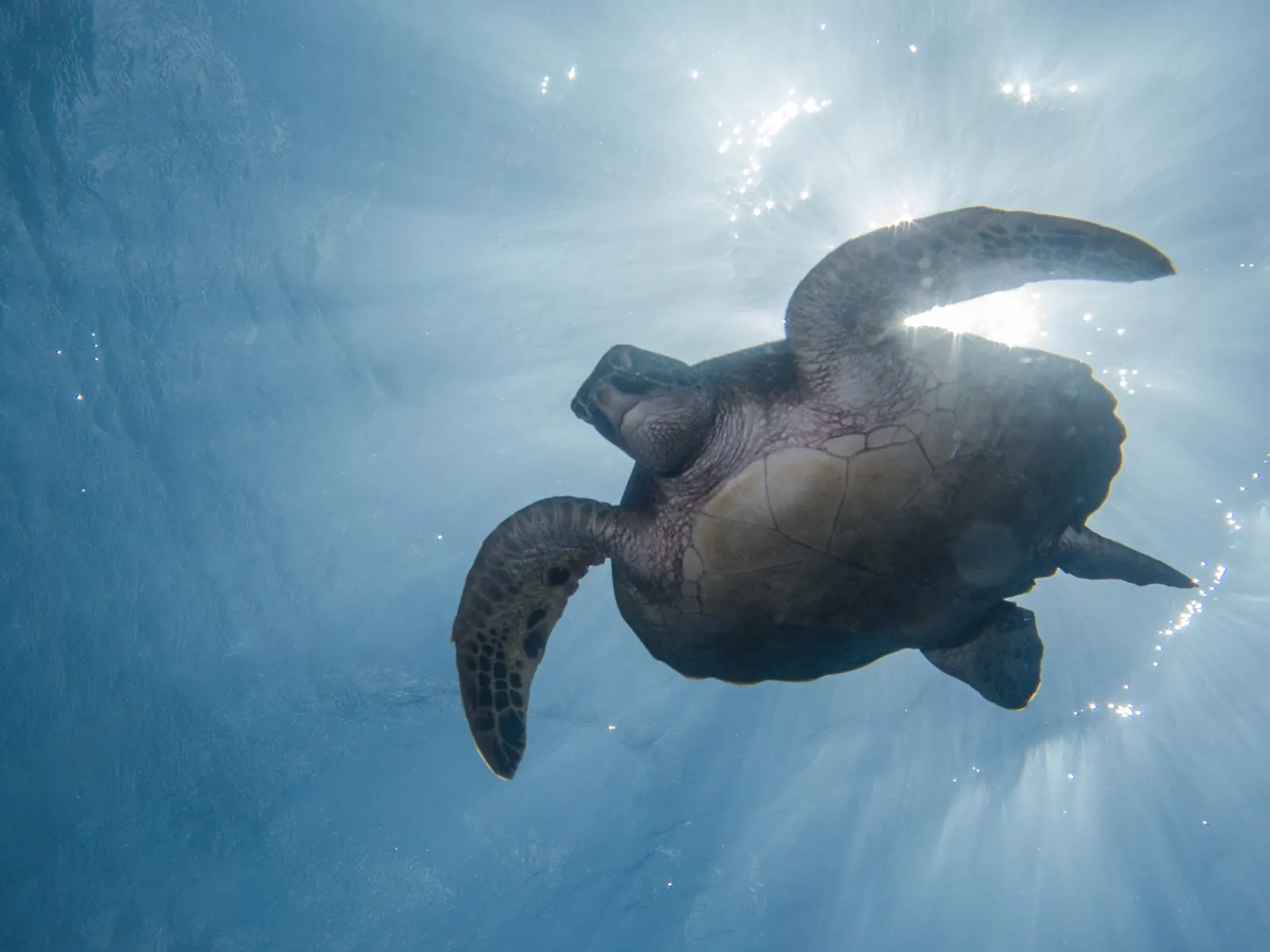
Mamsa means jackfish, and the name fits. Mamsa Point is the tip of Apo Island where the current runs down the side, and that current brings the fish: jacks are often here, and giant trevally too. The dive begins on a sandy bottom surrounded by coral, like an underwater arena, with big subjects and small ones in the same place.
The dive
The maximum depth is around 25 metres. The sandy arena is a natural place to start, and the coral around it is where most of the reef life is, but keep one eye on the blue: this is where the jacks and giant trevally pass, and how many you see depends on the current on the day.
Mamsa is also the middle of a classic Apo drift: start at Cogon, drift through Mamsa Point and finish at Kan-uran, three sites in one dive.
What you might see
- Jacks, the fish the site is named after
- Giant trevally in the current off the tip
- Giant frogfish, the largest of the frogfish, often sitting on sponges in plain view
- Sea turtles on the reef
- Moray eels in the coral
- Eagle rays passing over the sand
- Moorish idols and many other colourful reef fish
When to dive Mamsa Point
Mamsa Point is normally best in the Habagat season, the southwest monsoon, from around April to October or November. During a strong Amihan, the northeast monsoon, this side of the island is exposed to big waves, which can make the entry and exit difficult, so on those days we choose other sites. Water temperatures are about 25 to 29°C through the year. See when to dive Dauin and Apo Island.
Who it suits
On a calm day, most certified divers, and photographers who want both wide-angle (the arena, turtles and rays) and macro (frogfish) on one dive. When the current is ripping it becomes a really thrilling dive, for divers who are comfortable in current.
Our tip
Ask your guide where the giant frogfish has been sitting lately. They tend to stay on the same sponge for a long time, and a guide who dives Apo every week usually knows.
Good to know
- There can be a downwelling current here. Listen to the briefing and stay close to your guide.
- Apo Island is a protected marine area. The sanctuary fee is included in our day-trip price.
- Keep your distance from eagle rays and let them pass; they will come closer if you stay still.
- For more frogfish, the Dauin coast is hard to beat: try Pyramids or San Miguel.
Dive Mamsa Point with us
We visit Apo Island on full-day boat trips from Dauin, with three dives, lunch and sanctuary fees included. Which sites we dive depends on the day’s conditions. See our Apo Island day trips, or build your dive trip.